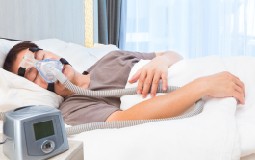
Comprehensive diagnosis and treatment for obstructive sleep apnea
About This Service
Dr. Jerry Hsieh provides comprehensive evaluation and management of obstructive sleep apnea (OSA). We assess your risk factors and symptoms, coordinate home sleep testing or in-lab polysomnography referrals, and develop a personalized treatment plan. Treatment options include CPAP therapy with ongoing titration and management, mandibular advancement devices (oral appliances that reposition the jaw to keep the airway open), eXciteOSA (a daytime tongue neuromuscular stimulation therapy for mild OSA and snoring), positional therapy guidance, and referrals for surgical evaluation when appropriate.
Patients experiencing loud snoring, witnessed breathing pauses during sleep, excessive daytime sleepiness, morning headaches, or difficulty concentrating. Unlike ordinary fatigue, sleep apnea causes repeated drops in blood oxygen during sleep that can strain the heart and impair daily functioning. Screening is especially important for patients with hypertension, atrial fibrillation, type 2 diabetes, or obesity, as untreated sleep apnea worsens these conditions.
Reviewed by Dr. Jerry Hsieh, MD — Board Certified in Pulmonary Medicine, Critical Care Medicine, and Internal Medicine
Last reviewed:
Common Questions
What are the common symptoms of obstructive sleep apnea?
Loud, habitual snoring, witnessed pauses in breathing during sleep, abrupt awakenings with gasping or choking, excessive daytime sleepiness, morning headaches, difficulty concentrating, and irritability. Sleep apnea is also strongly associated with hypertension, atrial fibrillation, type 2 diabetes, and obesity. If you or a bed partner notice these symptoms, an evaluation is warranted.
How is sleep apnea diagnosed?
Diagnosis is confirmed with a sleep study — either a home sleep apnea test (HSAT) for patients with a high pre-test probability of moderate-to-severe OSA and no significant comorbidities, or in-lab polysomnography for more complex cases. The test measures your apnea-hypopnea index (AHI), or events of stopped or shallow breathing per hour. An AHI of 5–14 indicates mild, 15–29 moderate, and 30 or more severe OSA.
What treatment options are available besides CPAP?
While CPAP remains the most effective treatment for moderate-to-severe OSA, alternatives include mandibular advancement devices (custom oral appliances that reposition the lower jaw to keep the airway open), eXciteOSA daytime tongue neuromuscular stimulation for mild OSA and primary snoring, positional therapy for patients whose OSA occurs mainly when sleeping on their back, weight loss including GLP-1/GIP medications such as Zepbound (FDA-approved for moderate-to-severe OSA in adults with obesity), and surgical referral when appropriate. Dr. Hsieh tailors the treatment plan to your OSA severity, anatomy, and preferences.
Is sleep apnea dangerous if left untreated?
Yes. Untreated obstructive sleep apnea causes repeated drops in blood oxygen during sleep and is independently associated with hypertension, heart attack, stroke, atrial fibrillation, worsened diabetes control, and motor vehicle crashes from daytime sleepiness. Effective treatment can reduce or reverse many of these risks.
Can I be treated for sleep apnea via telehealth?
Yes. Initial evaluation, ordering of home sleep testing, review of results, CPAP setup and follow-up titration, and treatment of complications can all be managed by telehealth for patients located in California. In-person visits remain available when an examination or in-office testing is needed.
Schedule an Appointment
Contact our office or request an appointment online to get started.