Diagnostic and therapeutic airway procedures performed at affiliated hospitals
About This Service
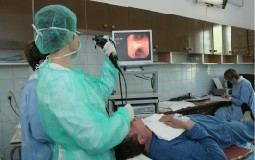
Bronchoscopy is a procedure that allows Dr. Hsieh to examine the airways and obtain tissue samples from the lungs. Using a thin, flexible scope, he can visualize the bronchial tree, perform biopsies of lung nodules or masses, and collect samples to aid in diagnosing infections, inflammatory conditions, and lung cancer. Dr. Hsieh is additionally trained in endobronchial ultrasound (EBUS) for sampling lymph nodes and central lung lesions. All bronchoscopy procedures are performed at affiliated hospitals.
Patients with unexplained lung nodules or masses seen on imaging, suspected lung cancer requiring tissue diagnosis, persistent unexplained cough or hemoptysis (coughing up blood), suspected lung infections not responding to treatment, or airway abnormalities identified on imaging studies.
Reviewed by Dr. Jerry Hsieh, MD — Board Certified in Pulmonary Medicine, Critical Care Medicine, and Internal Medicine
Last reviewed:
Common Questions
What is a bronchoscopy?
Bronchoscopy is a procedure in which a thin, flexible fiberoptic scope is passed through the nose or mouth into the airways of the lungs. It allows the pulmonologist to visualize the trachea, bronchi, and smaller airways, obtain biopsies of nodules, masses, or abnormal areas, sample fluid or cells for infection testing, and in some cases treat conditions such as airway obstruction or persistent bleeding.
What is endobronchial ultrasound (EBUS)?
EBUS is an advanced bronchoscopy technique that uses a small ultrasound probe at the tip of the bronchoscope to visualize structures just outside the airway — particularly mediastinal and hilar lymph nodes. Combined with transbronchial needle aspiration (EBUS-TBNA), it allows precise, minimally invasive sampling of lymph nodes and central lung lesions for the diagnosis and staging of lung cancer, sarcoidosis, and infections. Dr. Hsieh is trained to perform EBUS-TBNA.
Is bronchoscopy painful?
The procedure itself is not painful because it is performed under sedation. Most patients receive moderate sedation (conscious sedation) and a topical anesthetic spray in the throat to suppress the cough reflex. You will feel relaxed and drowsy. Some patients have a mild sore throat or cough for a day afterward, but recovery is usually quick. Bronchoscopy is performed in the hospital so that monitoring and anesthesia support are available.
How should I prepare for a bronchoscopy?
You will need to avoid eating or drinking for 6–8 hours before the procedure. Certain blood-thinning medications (warfarin, clopidogrel, direct oral anticoagulants) typically need to be held for several days beforehand — Dr. Hsieh will provide specific instructions. Plan to have a responsible adult drive you home, as the sedation will affect your reflexes for the rest of the day. Most patients can resume normal activities the following day.
What are the risks of bronchoscopy?
Bronchoscopy is generally very safe. Minor risks include sore throat, hoarseness, low-grade fever, and a small amount of bleeding when biopsies are taken. More serious complications — significant bleeding, pneumothorax (collapsed lung), or sedation-related events — are uncommon. Dr. Hsieh reviews your specific risk profile and the rationale for the procedure before scheduling.
Schedule an Appointment
Contact our office or request an appointment online to get started.